article-content
5th september 2026
Reykjadalur: a guide to the steaming valley
Steam rises into the Arctic air as Iceland’s newest hot springs invite travellers into a world of warmth, stillness and striking design.
Reykjadalur means steam valley, and it earns it. Steam drifts up from the ground. Mud pools mutter below the path. Hot springs run through the moss-green slopes. It is a living geothermal field, a short drive from Reykjavík, and one of the easiest wild corners of the south to reach.
There is a lot folded into one small valley: hot springs and hissing steam vents, a trail that climbs through them, a warm river threading the floor, and a slow, dreamy quiet that is rare this close to the city. A little planning is the difference between a rushed stop and a day that lingers. Here is what Reykjadalur is, how to reach it and walk it, how it shifts across the seasons, and where to settle into the warm water at Reykjaböð Hot Springs, the geothermal hot-spring lagoon and bathhouse at the foot of the valley.
At a glance
- Where: Reykjadalur valley, above Hveragerði, South Iceland
- Getting there: about 35 minutes from Reykjavík, 15 from Selfoss
- The hike: about 3 km each way, 45 to 60 minutes, moderate
- Water: around 38 to 40°C in the main bathing stretch
- Cost: free to bathe; you pay for parking at the trailhead
- Best season: year-round, summer for the easiest walking
Where the steam comes from
Reykjadalur is a geothermal valley in South Iceland, set in the hills above Hveragerði and about 35 minutes from Reykjavík. Its name means steam valley, and the steam is the first thing you notice, rising in soft columns from the ground long before you reach the top of the trail.
What draws most people is the warm river you can bathe in out in the open. But Reykjadalur is more than the river. It is a living geothermal field, a working piece of the heat that shapes this whole part of Iceland.
The valley sits on the Hengill volcanic system, one of the most active geothermal zones in the country. Hengill last erupted around two thousand years ago and is quiet now, but the heat never left. Rain and meltwater sink into the rock, warm against the hot stone below, and rise again as the hot springs, steam vents and bubbling mud pools scattered through the valley. That is the engine behind everything you see, and the reason the river runs warm.
Bathing in the hot spring river
The reason most people come is the hot spring river you can bathe in. Hot springs high up feed it, and cooler mountain streams mix in on the way down, so by the time the water reaches the bathing stretch it has settled into something you can sit in. It runs around 38 to 40°C where people gather, cooler the further downstream you go, so you move up or down the bank to find the temperature that suits you.
Wooden platforms and changing screens mark the main area, and there is no ticket and no gate. The river is open all year, warm against the cold air even in the depth of winter. One thing to hold onto: where water comes straight out of the ground it can scald, so stay on the marked stretches and keep to the paths, for your own safety and to protect the ground.
The hike up to the springs
You reach the river on foot, from the parking lot above Hveragerði. The trail sets off behind Skálinn, the lodge at the trailhead, crossing a footbridge before it climbs. It is about 3 kilometres each way and takes most people 45 to 60 minutes at a steady pace. It is a moderate walk, a little steeper at the start, then it levels off and opens into the valley itself. Along the way you pass steam vents, hot springs and mud pools, the Djúpagilsfoss waterfall, and long views back over the lowland toward the sea.
Near the top, boardwalks carry you over the softest ground to Klambragil, where the bathing stretch runs. The path is clear and well used, but it is a hillside in changeable weather, so give yourself time and watch your footing. Back at the trailhead, Skálinn serves hot drinks and food and has the only toilets. Its hours shift with the season, so check ahead in winter.
What to bring
Reykjadalur is wild bathing, not a spa, and it helps to arrive prepared. Bring a swimsuit and a towel you do not mind getting muddy, and dress in layers, because the weather turns quickly and you will want dry, warm clothes for the walk back down. Sturdy shoes with grip make the trail easier in any season.
There are no toilets or shops along the trail, only the changing screens by the river, so use the toilets at Skálinn before you set off. Carry your rubbish back out, keep to the marked paths through the geothermal ground, and leave the river as you found it. Reykjadalur stays beautiful because people treat it gently, and it asks the same of everyone who walks in.

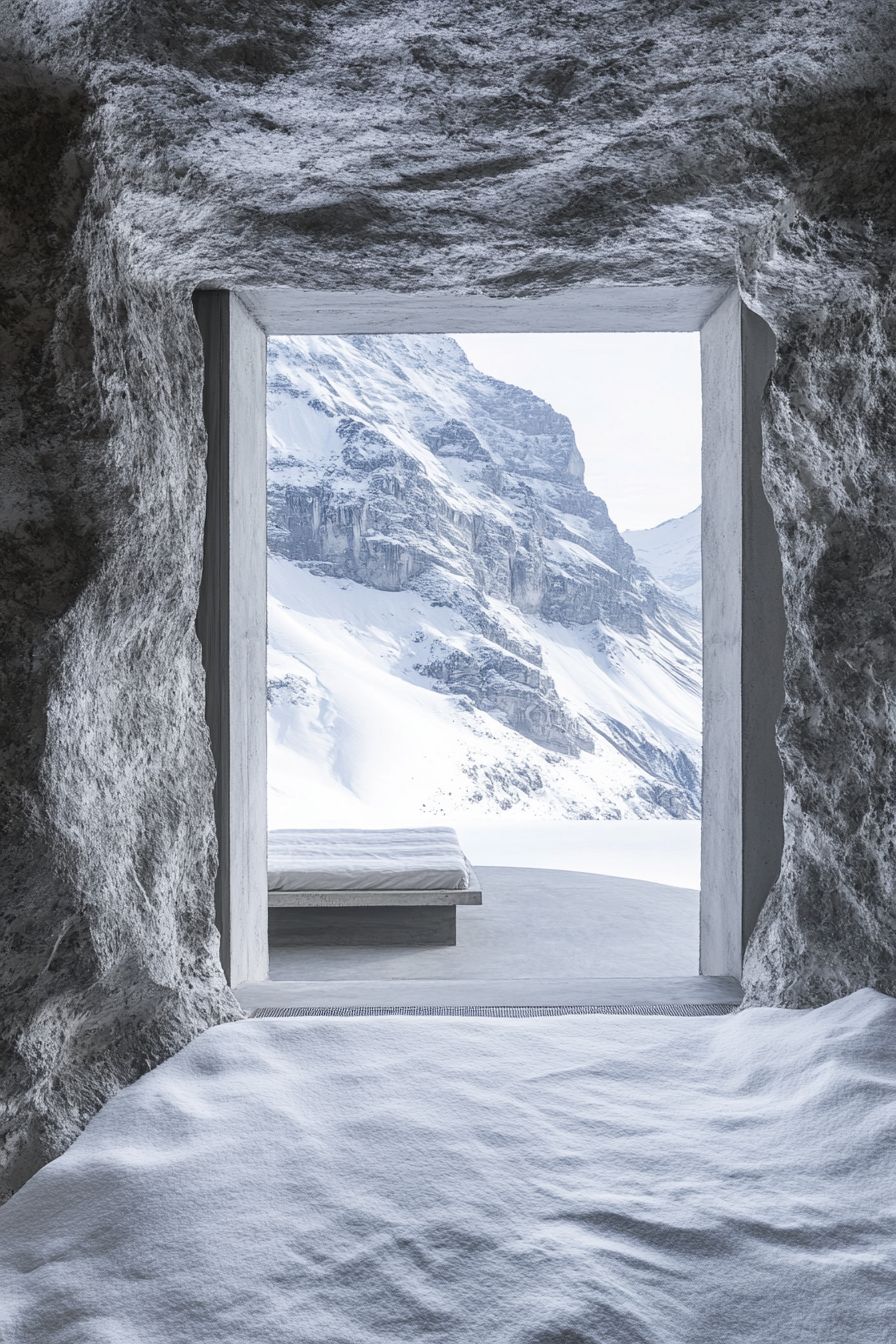
The new bathhouse that opened up this week. Photo credit: Gunnar Gunnarsson
Getting to Reykjadalur
Reykjadalur is one of the easiest wild places to reach from the capital. Hveragerði sits about 35 minutes from Reykjavík, over the Hellisheiði heath, and about 15 minutes from Selfoss. The parking lot and trailhead are just above the town, and the valley falls naturally on a Golden Circle route or South Shore route, close enough to fold into a bigger day or to hold a morning on its own.
Most people drive and park at the lot above Hveragerði, where you pay for parking through the Parka app. There is also a bus from Reykjavík to Hveragerði, with a taxi to cover the last stretch up to the trailhead.
The valley through the seasons
Reykjadalur is open year-round, and it is a different place in summer and winter. In the long summer light the walking is easy and the valley is at its greenest, and you can bathe late into a bright evening. Spring and autumn are quieter, the colour shifting across the slopes and fewer people on the trail. In winter the crowds thin, snow settles, and the warm water means more than ever against the cold. The trail can ice over, so winter asks for more care, proper footing such as microspikes, and an eye on the short daylight. Check conditions and the weather before you set off. It has its own reward, though: on a clear, dark night the sky above the valley can fill with the northern lights while you sit in the warm river below.
Hveragerði, the town below
You pass through Hveragerði to reach Reykjadalur, and it is worth more than a fuel stop. Locals call it the hot spring town, and the steam is no metaphor here: it rises between houses and along the streets, and the greenhouses that ring the town glow at night, growing vegetables, flowers and even bananas on geothermal heat.
In the centre, the Geothermal Park lets you stand among the boiling springs and steam vents, watch a small geyser go off every few minutes, and taste rye bread baked slowly in the hot ground. Between the hike, the town and Reykjaböð Hot Springs, there is an easy, unhurried day here for anyone who wants to take the heat of the place in. For more, see things to do in Hveragerði.
Reykjaböð Hot Springs, at the foot of the valley
After the wild river, there is Reykjaböð Hot Springs. Set at the roots of Reykjadalur, it is a geothermal hot-spring lagoon and bathhouse, and a warm place to arrive without the climb. Your visit begins the moment you step in: a wristband and towel, spacious changing rooms, and then straight into the mineral-rich geothermal water.
Start by unwinding in the warm lagoon, which runs to varying depths so you can find the spot that suits you. From there, move between the sauna, the cold plunges and the Kneipp walk, where warm and cold water work together to wake the body up. When you want to linger, the in-water bar brings a drink to you without your leaving the water. Afterwards, the restaurant draws its seasonal dishes from Icelandic ingredients and the landscape around you.
For a slower, deeper visit, the bathhouse carries this further, a journey through sensory spaces including an arctic snow room, a herbal pool, a fire pit and a floating pool. In summer you soak through long, bright evenings under an open sky. In winter you settle into the warm water surrounded by crisp air, with stars, or the northern lights, overhead when the night is clear. Two passes let you in: the Hot Springs pass, and the Hot Springs and Bathhouse pass. Reykjaböð Hot Springs is adults only, and children under 10 are not admitted. For passes, opening hours and the food and drink menu, the live pages carry the current details. A gift card works for either pass, if you want to hand someone a slow day in the valley.
“This is a quote. We need to select a good size since this can be quite long”